
To ensure the club’s ongoing vitality and relevance, recruiting younger members is essential
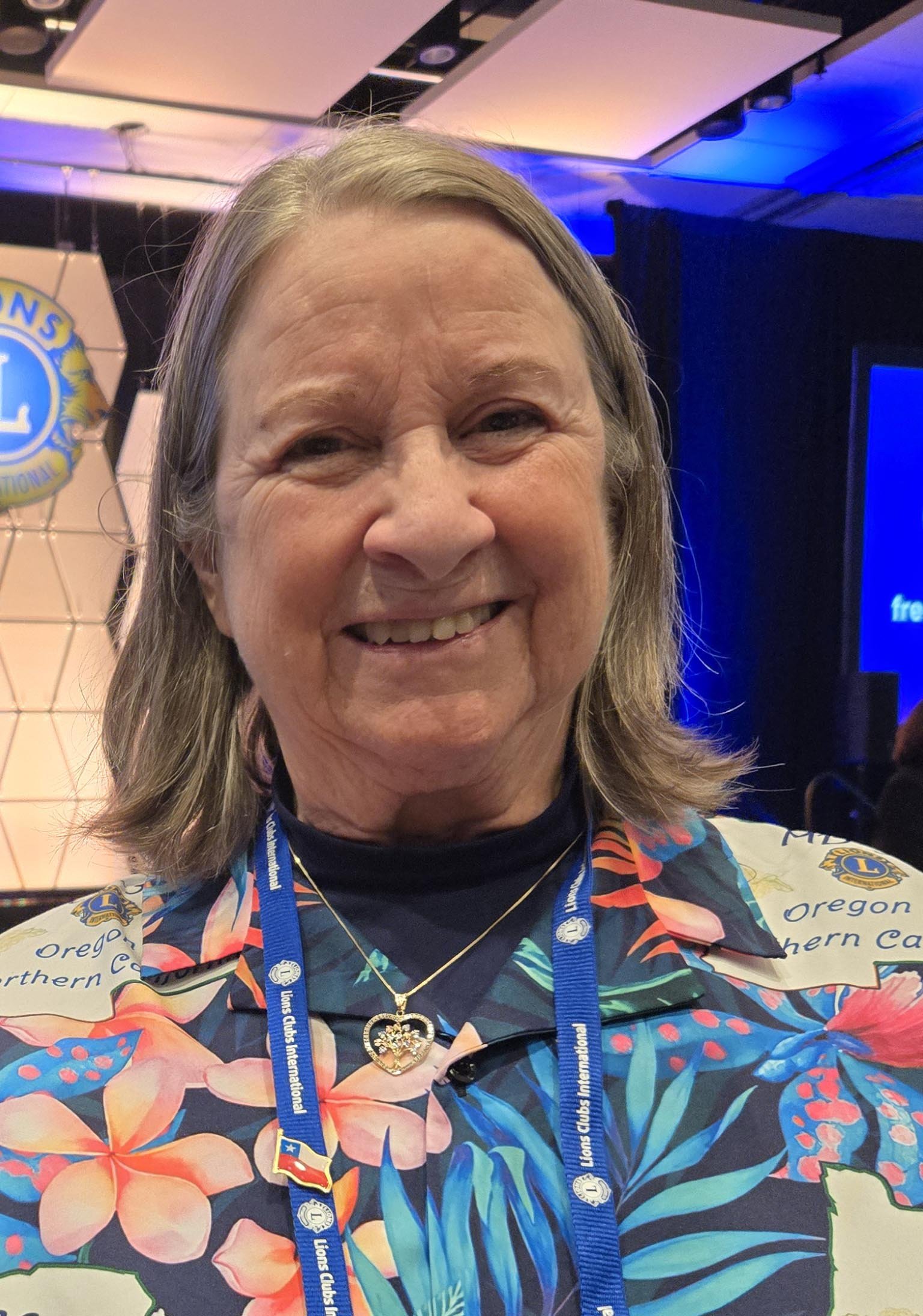
Many of the Lions Clubs in District 36-E are in small rural communities, where resources and opportunities can be limited, and many have been a pillar of community support. Most clubs address food insecurity, vision and hearing, and education scholarships. Traditional fundraising include pancake breakfasts, crab feeds and local festivals that are anticipated yearly by their neighbors. But in most instances, the club membership abounds in “White Hair”. To ensure the club’s ongoing vitality and relevance, recruiting younger members is essential. So what are some effective strategies and considerations for attracting and retaining the next generation of Lions Club members,
Rural areas may face unique challenges in recruitment, including smaller populations, limited social opportunities, and competing priorities for young people. Younger generations may see service clubs as outdated or not aligned with their interests. Addressing these perceptions is crucial to successful recruitment.
Leverage Social Media and Technology: Utilize platforms like Instagram, Facebook, and local community apps to reach younger audiences where they spend time online. Share stories of impact and highlight the club’s role in local improvements.
Host Youth-Centric Events: Organize activities that appeal to young people—such as sports tournaments, music nights, or volunteer opportunities—making the club visible and relevant. Bandon recently hosted a volleyball tournament. Dorris hosts a rodeo event.
Partner with Schools and Colleges: Collaborate with local educational institutions to introduce students to service projects, internships, and leadership opportunities within the Lions Club. Campus clubs and Leo-Lions are options. Business / Marketing students can benefit as Club Marketing Chairperson.
Highlight Personal and Professional Benefits: Emphasize networking, skill-building, and leadership opportunities that come with membership, which are particularly valuable for young adults starting their careers.
Encourage Participation in Traditional Community Projects: Long-standing fundraisers, vision screenings, holiday food drives, and environmental cleanups. These are meaningful ways for newer members to connect with the community’s history and experience firsthand the impact of service.
Recruiting younger members for the Lions Club in rural areas requires targeted outreach, relevant programming, and an inclusive culture. The club must be open to new ideas and adapt traditions to contemporary interests. Encourage their input in decision-making and acknowledge their contributions publicly. Making young members feel valued is key to retention.
DG Nancy Patzer